For centuries, across the circumboreal world, Chaga conks have been used as a traditional remedy. There is documentation demonstrating it has been smoked, used for infusions, balms and syrups. The most common use, however, is as a ‘tea’ made by decoction, which produces a dark, woody, rich and slightly bitter drink. This is still the most popular way to consume it today.
Some of the best records of traditional Chaga use in Eurasia are of the Khanty people of Western Siberia who prepared Chaga to treat a wide range of ailments, from teas used for stomach and heart diseases to topical applications of Chaga mixed with charcoal as an antiseptic soap. In Norway the common name for the Chaga conk is kreftkjuke or the ‘cancer polypore’ due to its use in traditional cancer remedies.
There is also significant documentation of historical (as well as contemporary) use of Chaga tea by traditional healers in First Nations groups, such as the Cree people, who call the fungus pōsākan and the Metis people who use it for cancer and diabetes treatment. There is limited knowledge of historic use of Chaga in Asia, although it is commonly used within Traditional Chinese Medicine today.
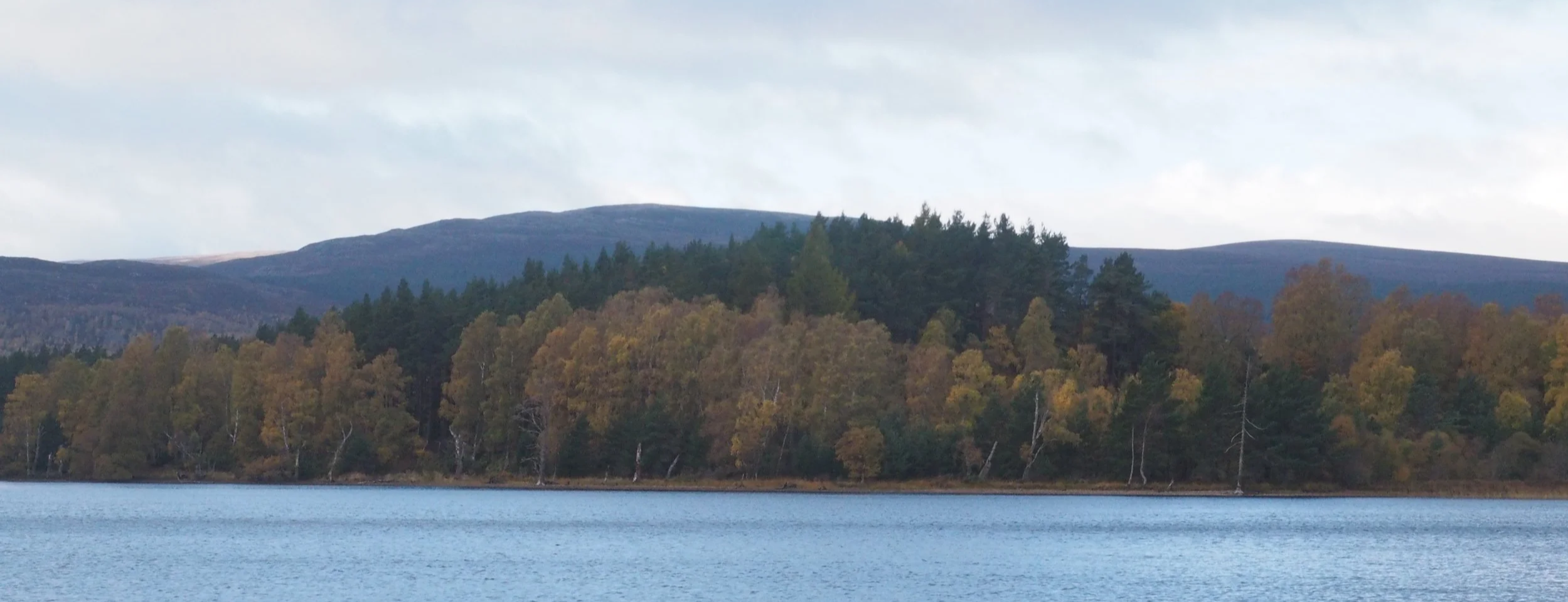
Despite its relative abundance in the North East of Scotland there is no evidence of it being used as a traditional medicine on these isles. It is, however, very likely that neolithic and bronze age people in Scotland would have used Chaga and other fungi with similar smouldering properties—like the tinder hoof (Fomes fomentarius) and cramp balls (Daldinia concentrica)—to hold a flame as they lit or transported fire. Indeed in some regions Chaga holds an important folkloric role not as medicine but as tinder. For example, the Potawatomi people cherish and celebrate shkitagen (the firekeeper’s fungus) for its ability to nurture and carry flames.
Unsurprisingly, the internet is also riddled with misinformation about ancient Chaga practices fuelling clickbait and attempting to encourage sales. As the historian of commodities Jonathan Robbins points out, appeals to Indigeneity and tradition can be powerful tools in the hands of a sales person—helping to validate products that are new to consumers. The shallow and sinister nature of this engagement with the indigenous history of Chaga use is demonstrated by the fact that around the world:
“Native American accounts [of Chaga consumption] play little or no role in most chaga marketing materials… for white settler-descended chaga foragers and chaga consumers (myself included), the preference for Eurasian stories…feeds a sense of false familiarity or even entitlement to a natural resource that might not be so eagerly commodified if it was instead identified with Native American cultures. The selective use and misuse of history presents chaga as heritage recovered, rather than appropriated.”
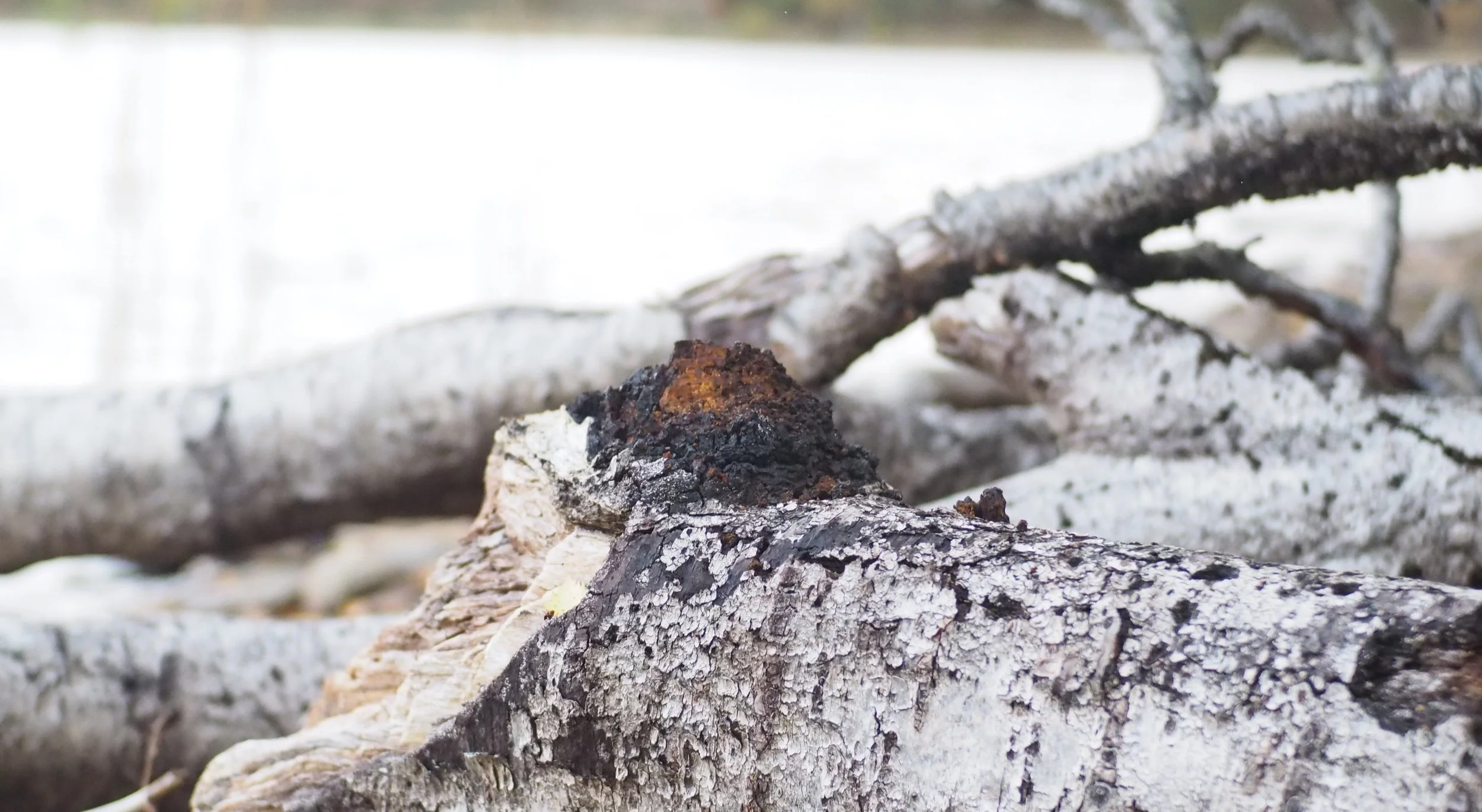
During the 20th century, Chaga consumption spread beyond its traditional and indigenous use as it began to be exploited commercially and scientifically by western cultures. In 1930s Finland, Chaga was harvested in significant quantities, processed into a fine powder and sold as a coffee alternative due to scarcity caused by the global depression.
In the 1960s and 70s, Chaga was researched and used extensively in the Soviet Union by clinicians treating cancer and other ailments. This modern clinical use, which was inspired by traditional peasant medicine, was made famous by long passages in the novel Cancer Ward, by the Nobel prize winning dissident Russian author Alexander Solzhenitsyn. His writings are often credited with stirring modern interest in the fungus, and in the following decades more and more medical trials and research were established.
Quote from Cancer Ward, a novel by nobel prize winning author Alexander Solzhenitsyn: "I'd also like to ask you, Lev Leonidovich," he said, "whether you've heard about this birch-tree fungus, this chaga?" "Yes, I have," he confirmed quite willingly. "What's your attitude to it?" "It's hard to say. I accept that some particular kinds of tumor react to it, stomach tumors for example. In Moscow they're going crazy about it. They say the forests have been stripped of it for two hundred kilometers round the city."